The 2026 campaign
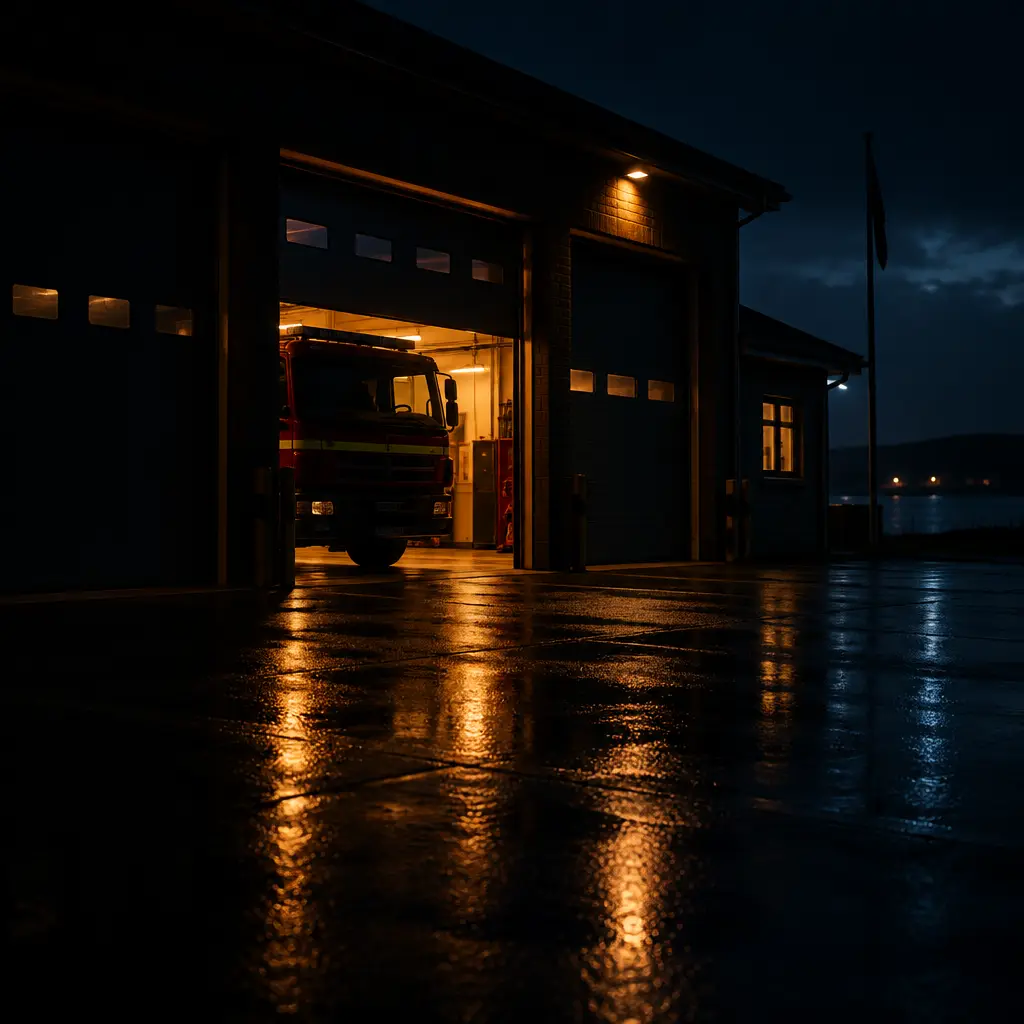
Minister for Housing, Local Government and Heritage James Browne T.D. launched National Fire Safety Week 2026 on 12 October at Enniscorthy Fire Station. The campaign ran from 12 to 18 October under the North and South theme Know the Room, Know the Risk, Know the Person, supported by a nationwide advertising campaign across television, radio and social media.
The three part theme is deliberate. Know the room asks people to look at the fire hazards in the specific spaces they use every day. Know the risk asks them to recognise what those hazards actually are. Know the person asks them to consider who around them would struggle most in a fire. The campaign stresses recognising fire risk, maintaining working smoke alarms, and knowing where the nearest emergency exits are.
Knowing the person is just as important as knowing the risk, particularly when it comes to older people, those living alone, or anyone who may need additional support to stay safe from fire.
Marcus Wright, Assistant Chief Fire Officer of the Northern Ireland Fire and Rescue Service, noted that most accidental fires in the home start in the kitchen, while NIFRS figures show the bedroom is where the greatest number of fatalities have occurred. A significant proportion of those who have lost their lives in house fires lived alone.
Room by room, and the questions to ask
The practical framing of the campaign is that different rooms carry different risks. Cooking in the kitchen, heaters and open fires in the living room, smoking and the charging of electrical items in the bedroom. The Directorate encouraged people to look beyond their own home and to check in on older or more vulnerable members of their community, since older people living alone remain at greater risk from serious house fires.
- Do they have working smoke alarms?
- Are escape routes and exits clear and easy to access?
- Have chimneys and flues been cleaned and maintained?
- Are heaters, electrical appliances and extension leads being used safely?
- Are there any obvious fire hazards in the rooms they use most often?
The advertising runs well beyond the week itself
The intensive media advertising campaign that began on 12 October 2026 will run through the higher risk period for fire fatalities, from October 2026 into 2027. The Directorate is emphasising working smoke alarms on every level of the home and the need to test them regularly.
The Community Smoke Alarm Scheme provides free smoke alarms to vulnerable households. Anyone who wants an alarm fitted under the scheme can contact their local fire service or visit fireireland.ie.
What a public campaign means for commercial premises
Fire Safety Week is aimed at households, but the three questions behind it translate directly into a managed building. Know the room becomes a room by room understanding of where ignition sources and fire loading actually sit, rather than a generic assessment written once and filed. Know the risk becomes whether detection and emergency lighting match what is in those rooms today, not what was there when the system was commissioned. Know the person becomes knowing which occupants would need assistance to evacuate.
Most compliance failures we see are not design failures. They are drift. The room changed, the use changed, the storage changed, and the fire safety provision stayed where it was.
- Walk the building room by room and compare what is there now against what the fire safety design assumed
- Confirm detection coverage still suits each room's current use, particularly where storage or charging has been introduced
- Check that escape routes are clear and that emergency lighting covers them for the full required duration
- Confirm that chimneys, flues and heating appliances have been maintained where they are in use
- Identify occupants who would need assistance to evacuate and record how that assistance is provided
- Test the alarm system on its scheduled interval and keep the record, so the test can be evidenced rather than assumed
Also this month, from the Private Security Authority
Two items from the PSA's October 2026 newsletter are worth noting for anyone employing licensed security staff. Anti-Human Trafficking Day took place on 18 October 2026, and the month marked the third anniversary of the PSA's partnership with MECPATHS. Through that collaboration the PSA became the first statutory body in Ireland to require anti child trafficking awareness training for all licence applicants in the Door Supervisor, Event Security and Security Guarding sectors. More than 27,500 security personnel have completed the training since the programme was introduced.
Garda vetting for children and vulnerable persons
All applicants for a PSA licence are vetted by An Garda Siochana. Separately, under Ireland's National Vetting Framework, organisations employing individuals in positions involving regular and necessary contact with children or vulnerable persons have their own legal obligation to obtain vetting disclosures from the National Vetting Bureau before those individuals commence work. This includes security services at a hospital, residential service, leisure or sporting centre, school or childcare service.
That obligation sits with the provider of the relevant work or activity, under the National Vetting Bureau (Children and Vulnerable Persons) Act 2012, and PSA Information Note 56 carries further detail. The Authority also used the October newsletter to remind workers of the protected disclosures route, under the Protected Disclosures Act 2014 and the Protected Disclosures (Amendment) Act 2022, for reporting wrongdoing in a work related setting.
If you are responsible for a building, the most useful thing to take from Fire Safety Week is a walk through it with the three questions in hand. Where that walk raises questions about detection coverage, emergency lighting or alarm maintenance, our engineers can review the provision against the current use of the building.
Speak With ADS Group