What the 2025 data shows
On 19 August 2026 the National Directorate for Fire and Emergency Management, part of the Department of Housing, Local Government and Heritage, confirmed that 34 people died in fires in Ireland during 2025. That is an increase from the 25 fire related deaths recorded in 2024, and it has reframed the national conversation about detection, maintenance and vulnerability in the home.
Smoking in the home was the leading known cause of fatal fires, accounting for almost 30 per cent of the known causes. Older people, people living alone, and their families have been encouraged to review fire safety in the home and to seek support where it is needed. The Directorate has been clear that the home remains the highest risk location for fire fatalities in Ireland.
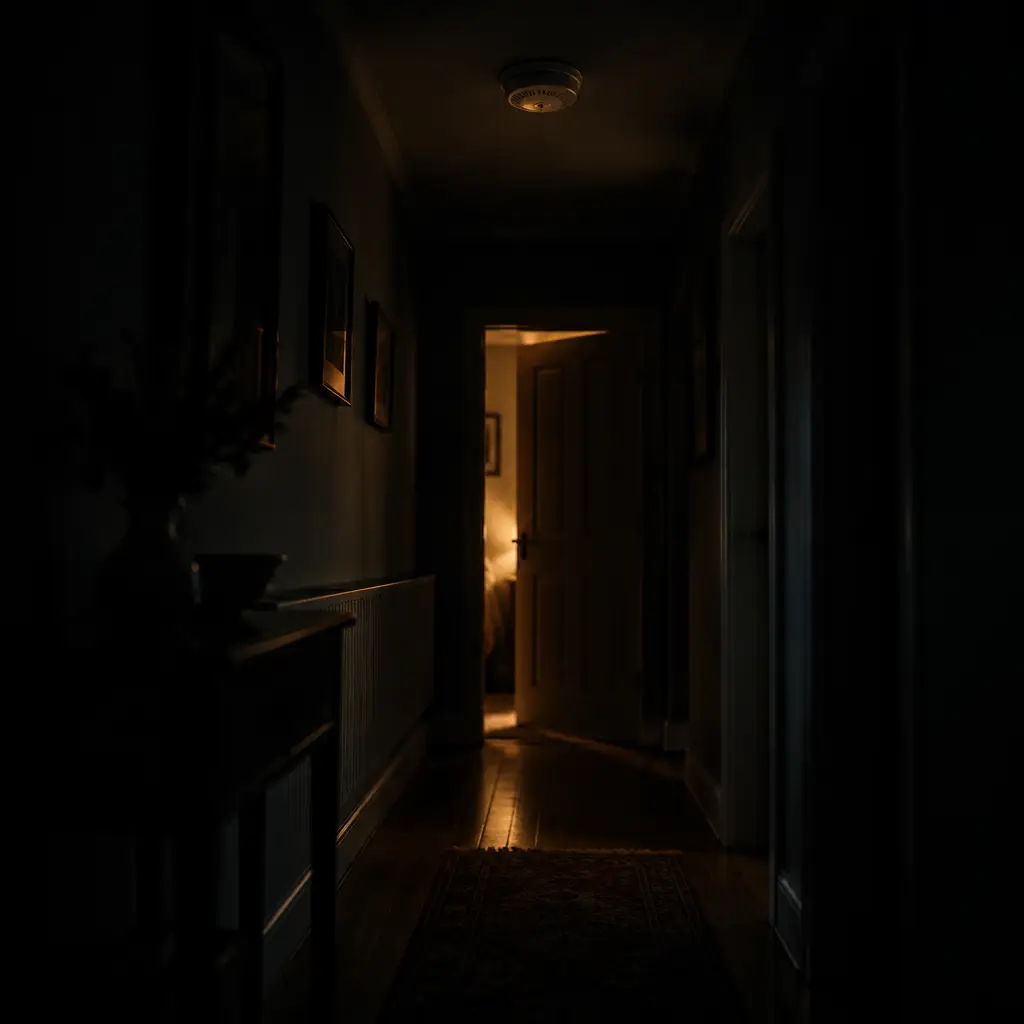
Smoke alarms remain the single most important life-saving device in the home. While many homes are equipped with alarms, it is essential that they are properly maintained and regularly tested to ensure they operate effectively when needed.
Fire brigade activity across the year
Fire brigades attended 21,794 fires in 2025. Of those, 4,131 occurred in people's homes. Outdoor rubbish burning was the single most common incident type at 6,778 attendances, and forest, bog and grass fires accounted for a further 2,314 incidents during the year. Outdoor rubbish burning is strictly illegal in Ireland under waste management regulations, and breaching those rules can lead to fines of up to 5,000 euro or prosecution.
8,573 false alarm attendances in 2025
False fire alarms accounted for 8,573 fire service attendances during 2025. The Directorate has linked this directly to the importance of ensuring fire alarm systems are correctly installed, maintained and operated, in order to reduce unnecessary emergency responses.
That figure deserves attention from every building owner and facilities manager in the country. Unwanted alarm signals are not a nuisance issue alone. They consume fire service capacity, they erode confidence in a system among the people who have to respond to it, and they are very often a symptom of detector siting, environmental conditions, system configuration or maintenance that has drifted away from the design intent. The Irish standard for fire detection and alarm systems in buildings, I.S. 3218, addresses design, installation, commissioning and maintenance for exactly this reason.
Lithium-ion batteries as an emerging risk
The Directorate noted that while electrical fires have reduced over the last 25 years, the growing use of electrical appliances and emerging technologies has introduced new fire safety considerations. E-scooters, e-bikes and similar battery powered devices are increasingly common across Ireland, and they are powered by lithium-ion batteries. Poor charging practices, unsafe storage or low quality products can lead to fast developing and life threatening fires that spread quickly and release highly toxic fumes.
Charging was identified as the highest risk activity for these devices. The guidance issued alongside the statistics is practical and applies as much to a workplace bike store or an apartment common area as it does to a private home.
- Use only the charger supplied with the device, or an approved replacement
- Charge outside where that is possible
- Charge in a location that does not block escape routes
- Unplug the device once it is fully charged
- Supervise charging where that is possible
Practical steps for building owners and occupiers
The top advice issued by the Directorate is to install at least one smoke alarm on every level of a building, to make sure alarms can be heard from bedrooms, and to test alarms weekly and check their expiry dates. In under three minutes, smoke inhalation can be fatal, so the early warning a working alarm provides is the difference between escaping and not.
- Test alarms weekly and record the test, so there is evidence the system was being exercised rather than assumed
- Check expiry dates on alarms and detectors, as sealed units and sensors do not last indefinitely
- Review why any recent unwanted alarm signals occurred rather than silencing and moving on, since repeated false activations usually point at a correctable cause
- Confirm that escape routes and exits are clear and that emergency lighting covers them
- Set a charging policy for e-bikes, e-scooters and similar devices, and keep charging away from escape routes
- For anyone with responsibility for older or vulnerable occupants, check that their alarms work and that their escape route is usable
The Community Smoke Alarm Scheme provides free smoke alarms to vulnerable households through local fire services. Further fire safety advice, and details of the NDFEM education programmes, are available at fireireland.ie. In the event of a fire, call 999 or 112 immediately.
Speak With ADS Group